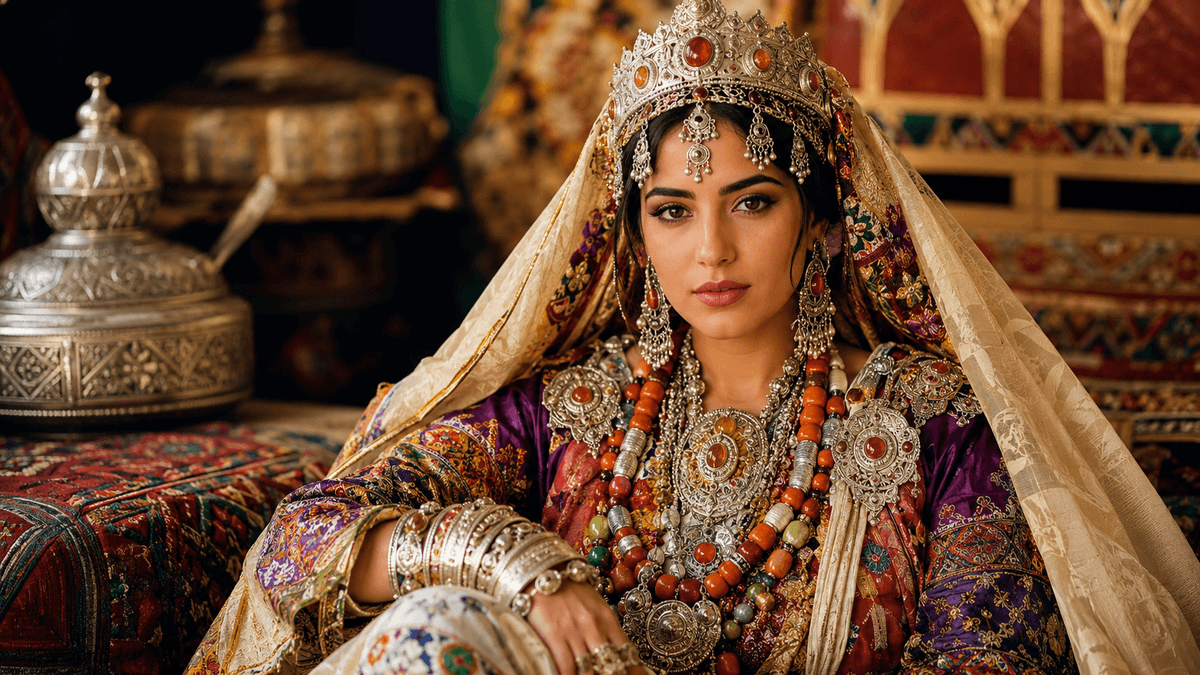
Village Weddings and Collective Marriages in Morocco 2026: The Simple Celebration That Includes Everyone
A 2026 guide to weddings in the bled and douar: the mutual-help tradition, real price ranges, collective weddings run by communes and associations, marriage support programs, and how to organize a celebration from 30,000 MAD.
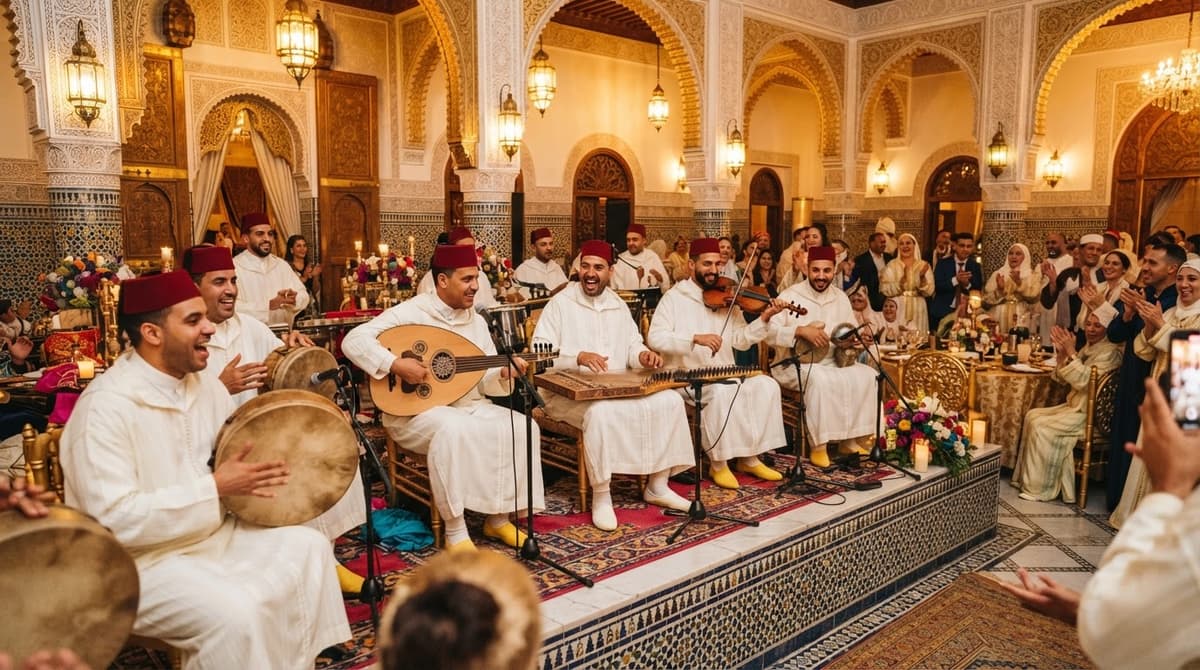
The douar wedding: traditions that save money without shrinking the party
A village wedding is not a “cheap wedding” — it runs on a completely different logic. In cities you buy every service (caterer, hall, decor); in the bled the core resource is the community: neighbors cook for days (tewiza — mutual help), the tent and furniture rent at village prices or are borrowed, and henna and preparation are done by women who master the craft. In numbers: a village wedding for 150 guests runs 30,000–80,000 MAD all-in (food, tent, furniture, tea, local musicians), versus 120,000–250,000 MAD for the same headcount in a city. The savings can be reinvested in quality: more meat, better musicians, or a finer bride’s set.
| Line item | At the village | In the city |
|---|---|---|
| Venue (tent/house vs hall) | 2,000 - 8,000 | 10,000 - 60,000 |
| Food (communal cooking vs caterer) | 15,000 - 40,000 | 45,000 - 120,000 |
| Music (local troupes/aissawa) | 2,000 - 10,000 | 10,000 - 40,000 |
| Decor | 1,000 - 5,000 | 10,000 - 50,000 |
| Indicative total | 30,000 - 80,000 | 120,000 - 250,000 |
Collective weddings: when the commune or an association organizes
Collective weddings in Morocco are organized by local communes (the municipal council), charitable associations, and social initiatives: a single celebration hosts several couples facing hard circumstances (orphans, low-income families, couples supported after health hardships). The classic format: each couple legally marries before the adoul in the same period, and the commune covers a large share of the celebration (outfits, hall, catering, music, sometimes even gold in certain charity initiatives) thanks to donors and sponsors. Local authorities, development centers and local associations take part; the practical path starts at your commune office (town or douar), the social solidarity office, or the local social-protection headquarters. There is no magic form: asking early, months ahead, is what makes the difference.
Marriage support in Morocco: what actually exists
Marriage support in Morocco runs through 4 sources. Source 1: the local commune — many municipalities organize or co-fund weddings for struggling families, especially around holidays. Source 2: charitable associations — in Marrakech, Casablanca, Tanger and Agadir, associations hold yearly weddings for orphans and low-income families (donor-funded). Source 3: national social programs — social development programs such as the National Initiative for Human Development (INDH) have historically backed social weddings in rural areas. Source 4: family and neighborhood — mutual help (food, tent, transport) is not an official subsidy but remains the backbone of the bled wedding. Key advice: do not confuse social support with private handouts — your first stop is always your commune or neighborhood association.
Organizing a bled wedding from 30,000 MAD: the practical plan
The 8-week plan. Weeks 8–7: lock the date (avoid high season and holidays — rentals spike) and book the tent and furniture. Weeks 6–5: call on neighbors and the quarter for cooking help (the ones who master grilling, couscous and tangia); fix the menu list (meat, chicken, pastilla, sfif, tea). Weeks 4–3: book local music (dikra troupe or percussion group) and start the adoul paperwork. Week 2: transport of guests from the douar, tea and reception setup. Final week: verify everything — food, tent, music, outfits, deposits. The typical count: tent 2,000–5,000 MAD, food 15,000–30,000 MAD, music 2,000–6,000 MAD, bride’s outfits covered by the family, adoul a few hundred MAD — so 30,000 to 50,000 MAD without cutting anything essential. Log every entry in the WedMaroc calculator to stay in control.